
Beyond Hiring: Rethinking Talent Strategy in HealthTech
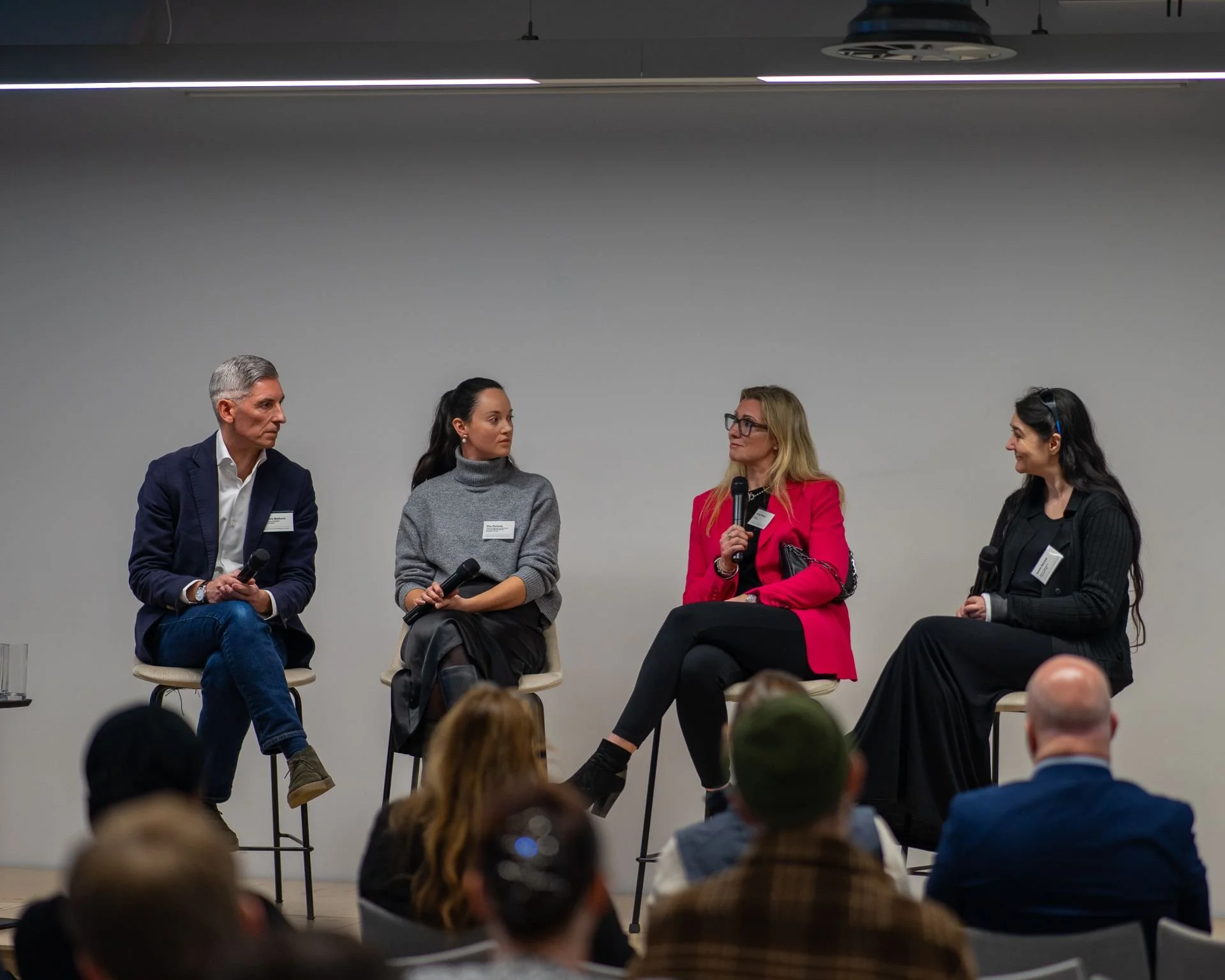
Attracting and retaining highly specialised skills has become one of the defining challenges for HealthTech and life sciences organisations. That’s why Andrew Medhurst, Head of Consultancy at Inspire People, joined a high-level industry panel to unpack what it really takes to secure the expertise needed to stay ahead.
In the discussion, Andrew explored the shifts reshaping today’s talent market and what leaders must do differently to build, develop and sustain the teams that will power their next wave of innovation.
Below are the core takeaways from the session, including the trends to watch out for and the practical steps organisations can implement now.
The Hybrid Talent Challenge
As HealthTech continues to evolve, demand is rising for professionals who combine deep technical expertise (AI, data science, engineering) with clinical or regulatory knowledge. These hybrid skillsets are rare, making attraction and retention increasingly challenging. 85% of healthcare organisations report difficulties recruiting staff with specialised digital health skills. This illustrates just how widespread the talent gap is for hybrid technical and clinical/regulatory expertise needed in HealthTech and life sciences.
The panel discussed effective strategies such as:
Leveraging specialist networks and sector communities
Strengthening mission-led employer branding
Taking a skills-first approach to hiring, recognising non-linear career paths
Building proactive talent pipelines through partnerships and training
Together, these approaches highlight a clear shift in how HealthTech organisations must think about talent. In a market defined by scarce hybrid skills and global competition, success increasingly depends on moving beyond traditional recruitment models to adopt more strategic, values-driven, and skills-focused workforce strategies that build long-term capability rather than simply filling immediate roles.
Supporting Candidates in a Complex Sector
Candidates entering healthcare and life sciences often face structural barriers that limit access to the sector. Complex regulatory requirements can be difficult to navigate, particularly for career switchers or international talent, creating the perception that the industry is closed to non-traditional candidates.
Unclear job pathways add to this challenge. Inconsistent job titles and poorly defined progression routes make it hard for candidates to understand how roles evolve over time, reducing confidence in long-term career prospects within the sector.
Accessibility issues, including rigid qualification requirements and narrow definitions of relevant experience, further restrict the talent pool. When transferable skills from adjacent industries are overlooked, employers risk excluding high-potential candidates. Addressing these barriers through clearer role definitions and more inclusive hiring practices is essential to building a sustainable, future-ready workforce.
Creating Continuous Learning Cultures
With rapid digital transformation reshaping healthcare, the panel highlighted the importance of:
Ongoing digital and data upskilling
Clear internal progression frameworks
Cross-functional learning between clinicians, engineers and product teams
Mentorship and internal mobility
78% of healthcare organisations prioritise upskilling their staff to improve patient outcomes and adapt to changing technology. This underscores the central role of continuous learning in retention and performance in healthcare and life sciences. Companies that invest in continuous learning see higher engagement and better retention outcomes.
Retention in the Hybrid Work Era
One of the key points raised during the panel was how tech professionals no longer focus on the salary alone. Building a career is about so much more than you get paid. Beyond salary, today’s professionals value:
Strong organisational purpose
Clear, personalised career paths
Mental health support and psychological safety
Flexible, well-managed hybrid work environments
60% of tech professionals say they would not consider a role without a hybrid working option
As Andrew noted, many candidates now place culture and wellbeing at the same level of importance as compensation, significantly influencing hiring success. Candidates are no longer evaluating roles purely on salary or title, they are assessing whether an organisation’s values, leadership style, and working environment align with their own expectations for balance, purpose, and psychological safety.
Preventing Inequalities Through Inclusive Workforce Design
Diversity and inclusion are increasingly acknowledged as essential in healthcare, but their adoption remains limited across the sector, only 15% of healthcare HR teams have dedicated diversity and inclusion officers. The panel emphasised that HealthTech innovations can unintentionally widen inequalities if diverse viewpoints aren’t represented during development. In order to ensure a diverse and inclusive workforce, organisations must provide:
Accessible, inclusive job adverts
Diverse recruitment channels
Structured selection processes to reduce bias
Representation at all levels, especially leadership
Opportunities for non-traditional and underrepresented talent
About the Event
The event was powered by Empact Ventures in partnership with MIDAS Manchester's Inward Investment Agency and ABGi UK, hosted by Bruntwood SciTech at Circle Square. Chaired by Ashley Strong, Founder of Strong Pillars, the panel brought together voices from recruitment, executive search, and inclusive employment. Representing Inspire People was Andrew Medhurst, who joined Emma Bennett (Patchwork Hub) and Nina Richards (RMG) to discuss practical strategies shaping the future of the sector’s workforce.
Empact Ventures are recognised as “Super Connectors,” specialising in opening the right doors at the right time to create meaningful, mutually beneficial outcomes for people and organisations. Working across both the private sector and the public sector, they co-design some of Europe’s leading startup initiatives. As a global scout, Empact Ventures proactively identifies and engages the most relevant innovations, facilitating powerful connections that align closely with client needs. Their work supports tech startups and scale-ups by connecting them with potential partners, clients and funders, helping them overcome challenges and accelerate growth.
This discussion reinforced that success in HealthTech talent strategy requires purpose, inclusivity, investment in development and a genuine commitment to wellbeing. Inspire People is proud to contribute to conversations shaping the future of the sector and remains committed to helping organisations build the skilled, diverse and sustainable teams they need to drive innovation.